A World Heritage rainforest, and the people who live beside it.
Our kithul comes from the villages on the edge of Sinharaja. What we pay for it matters to those families, and to the forest itself.
Sri Lanka's last great lowland rainforest.
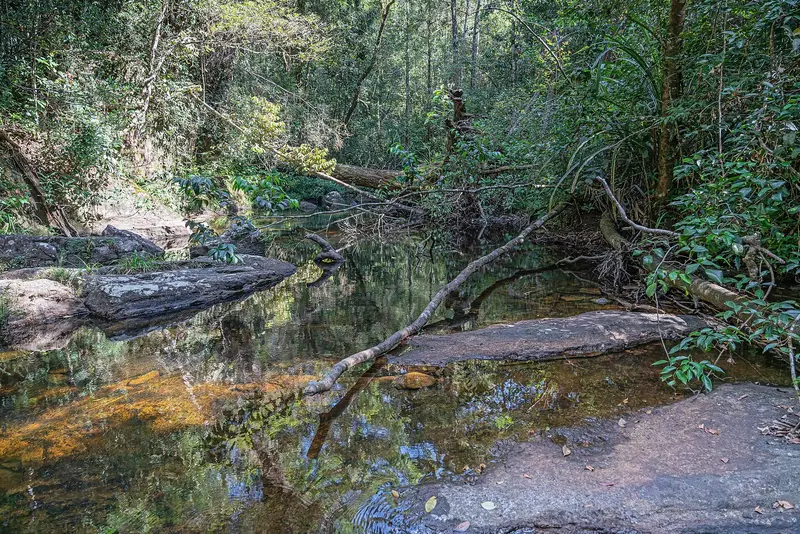
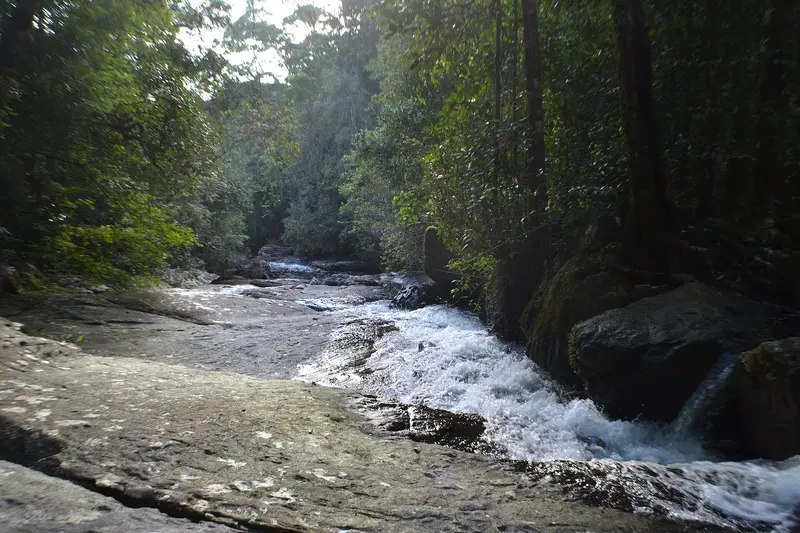
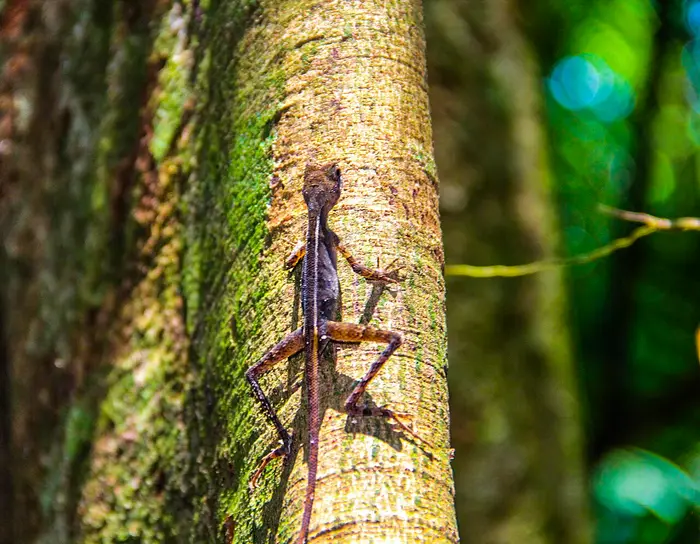
Sinharaja Forest Reserve lies across the Sabaragamuwa and Southern provinces of Sri Lanka. It is the country's last viable area of primary lowland tropical rainforest.
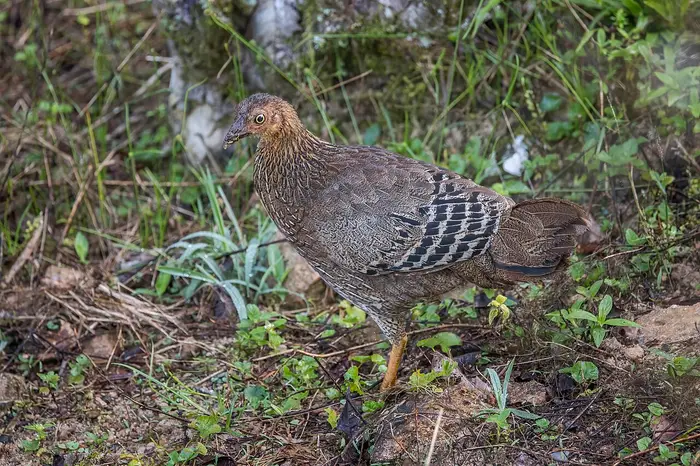
UNESCO recognised it as a Biosphere Reserve in 1978 and inscribed it on the World Heritage List in 1988 for its natural beauty and its exceptional biodiversity. More than 60% of its trees are found nowhere else on earth, and it shelters most of Sri Lanka's endemic birds, along with many of the island's endemic mammals, butterflies, amphibians and reptiles.
New species are still being described here, and the forest still faces pressure at its edges, from encroachment, roads and the spread of cultivation.
Kithul has always been forest-edge income.
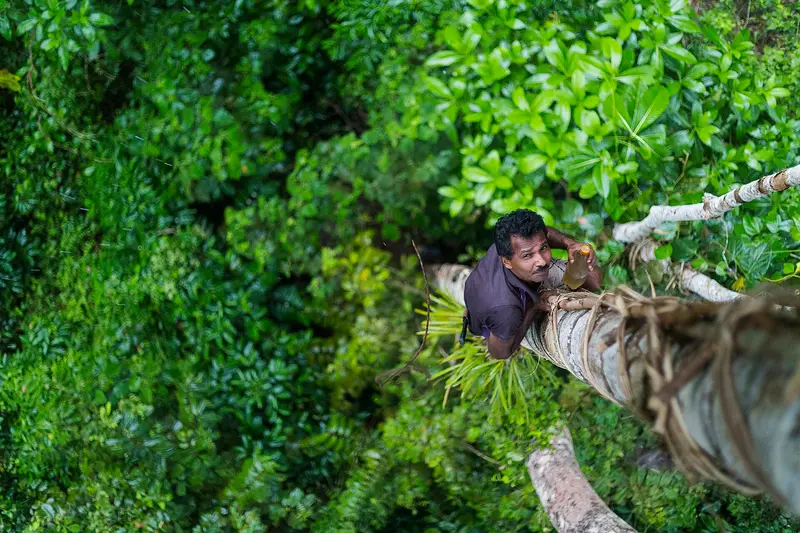
In the villages around Sinharaja, kithul groves are often family property, passed from father to son for generations. Tapping is both a living and a way of life.
Researchers who have studied these communities describe kithul jaggery and treacle as a key source of income for families on the forest's edge, and conservation projects have promoted kithul as a livelihood that does not require clearing forest for tea.
But tapping is hard, dangerous work, prices paid to tappers have been low, and adulterated products undercut honest ones. Many young people have left. That is what we are trying to change.
What direct sourcing changes.
We buy straight from the tapper
No collectors or middlemen. Families are paid directly and promptly, at prices that reward pure, well-made kithul.
We create work in the village
Tapping, boiling, sorting, wrapping and packing are done close to home, providing jobs for both men and women.
We pay for quality, not volume
A premium for pure, traceable treacle removes the incentive to stretch it with cane sugar.
We share what we learn
We work with tappers on hygiene, sap handling and keeping rainwater out of the sap, which researchers link to adulteration.
We stay outside the reserve
We source from village home gardens and smallholdings around Sinharaja, not from inside the protected forest.
We keep the palms standing
Kithul earns money only from living palms. Flour is made only from palms at the end of their tapping life.
Sources we rely on.
The facts on this page come from public sources. We'd rather point you to them than ask you to take our word for it.
- UNESCO World Heritage Centre — Sinharaja Forest Reserve
- IUCN World Heritage Outlook — Sinharaja Forest Reserve
- UNESCO Intangible Cultural Heritage — Kithul Madeema/Kithul Kapeema (2025)
- De Zoysa (1992), kitul as a livelihood for forest-fringe communities, Principes
- A study on the practice of adulteration of kitul sap products in Sri Lanka, Sri Lanka Journal of Social Sciences
Bring genuine Sinharaja kithul to your market.
Tell us the product, pack format, volume and destination. We'll reply with a specification, availability and a quotation. Samples can be arranged for qualified buyers.